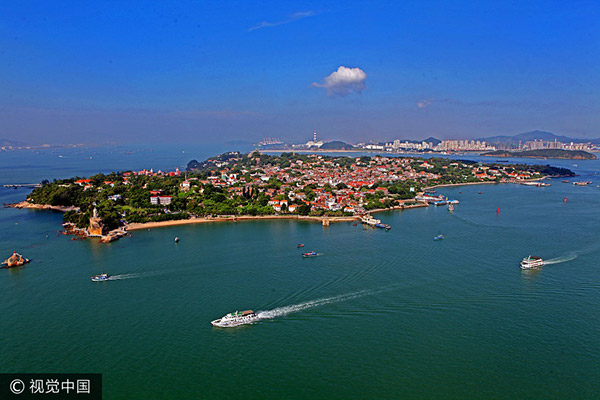
Gulangyu Island
Introduction
Gulangyu Island is a renowned tourist destination situated off the coast of Xiamen, Fujian province, China. This picturesque island is celebrated for its harmonious blend of natural beauty and rich cultural heritage. It is a place where forests, gardens, and historic architecture coalesce to create a unique environment that attracts visitors from around the world. Known for its peaceful ambiance and car-free streets, Gulangyu offers a respite from the bustling city life of Xiamen. The island has earned recognition as an exceptional example of cultural fusion, which led to its inclusion on the World Heritage List on July 8, 2017. With an area that boasts over 90 kinds of plants and a forest coverage exceeding 40 percent, Gulangyu is as much a sanctuary of natural beauty as it is a repository of historical and cultural treasures.
Geography
Location
Gulangyu Island lies to the southwest of Xiamen Island, and its proximity to the mainland makes it easily accessible for travelers. The island's geographical location has played a significant role in its development over the centuries, acting as a gateway for cultural exchanges and trade. This positioning has contributed to its rich architectural diversity and cultural amalgamation, drawing influences from both local traditions and international interactions.
Climate
The climate of Gulangyu Island is characterized by a subtropical monsoon climate, which features mild, wet winters and hot, humid summers. This climate is conducive to the lush greenery that covers the island, including its more than 90 varieties of plant species. The ample rainfall and moderate temperatures support the diverse ecosystem and make the island an inviting destination year-round. Visitors can enjoy a comfortable environment for exploring the island's natural and cultural attractions, whether strolling through its verdant gardens or admiring its historical architecture.
Culture
Architecture
Gulangyu Island is renowned for its remarkable architectural heritage, which showcases a fascinating blend of local and international styles. The island is home to over 900 historical buildings, each with its unique design and historical significance. These structures reflect the cultural exchanges that have occurred over the decades, incorporating elements from Western classical architecture, Gothic designs, Baroque influences, and traditional Chinese styles. This architectural diversity is a testament to the island's historical role as a hub for international trade and cultural interaction. Walking through the streets of Gulangyu, visitors are treated to an open-air museum of architectural marvels, where each building tells a story of its own.
Music Scene
Gulangyu Island is often referred to as the "Piano Island" due to its deep connection with music. The island has a rich musical heritage and is known for its vibrant music scene. This reputation is underscored by the presence of numerous music schools, concert halls, and live music performances that occur throughout the year. The island's cultural fusion extends to its musical landscape, where Western classical music merges with traditional Chinese melodies. The island's commitment to music is also reflected in its collection of pianos, which are displayed in various venues across the island. This dedication to music has made Gulangyu a haven for musicians and music enthusiasts alike.
Transportation
Ferry Services
Given its island status, Gulangyu is accessible primarily by ferry services from the city of Xiamen. These ferries operate regularly, providing a convenient and scenic route for visitors to reach the island. The ferry ride offers stunning views of the surrounding sea and the skyline of Xiamen, setting the stage for a memorable visit. The frequency and efficiency of the ferry services ensure that Gulangyu remains easily accessible, thereby supporting its status as a popular tourist destination.
On-Island Transportation
One of the distinctive features of Gulangyu Island is its car-free environment. Visitors to the island are encouraged to explore its scenic paths and historic sites on foot or by electric buggies. This pedestrian-friendly approach not only preserves the island's tranquil ambiance but also allows visitors to fully immerse themselves in the beauty and history that Gulangyu has to offer. The absence of motor vehicles contributes to the island's peaceful charm, providing a serene backdrop for leisurely exploration.
Notable Landmarks
Historic Buildings
Among the island's most notable historic landmarks are its exceptional buildings, which display a mix of architectural styles. These structures, numbering 931 in total, offer a glimpse into the island's diverse cultural influences. Visitors can explore a range of buildings, from grand mansions to quaint villas, each with its own architectural flair. The preservation of these historic edifices has allowed Gulangyu to maintain its cultural integrity while providing a captivating experience for those interested in history and architecture.
Natural Attractions
In addition to its architectural wonders, Gulangyu is blessed with an abundance of natural attractions. The island's lush greenery, gardens, and scenic landscapes invite visitors to experience its natural beauty. With a forest coverage rate exceeding 40 percent and more than 90 kinds of plants, Gulangyu is a paradise for nature enthusiasts. The island's natural attractions complement its cultural offerings, making it a well-rounded destination for travelers seeking both relaxation and exploration.








